
Artikel: Chef's Feet: How to Survive a Kitchen Shift
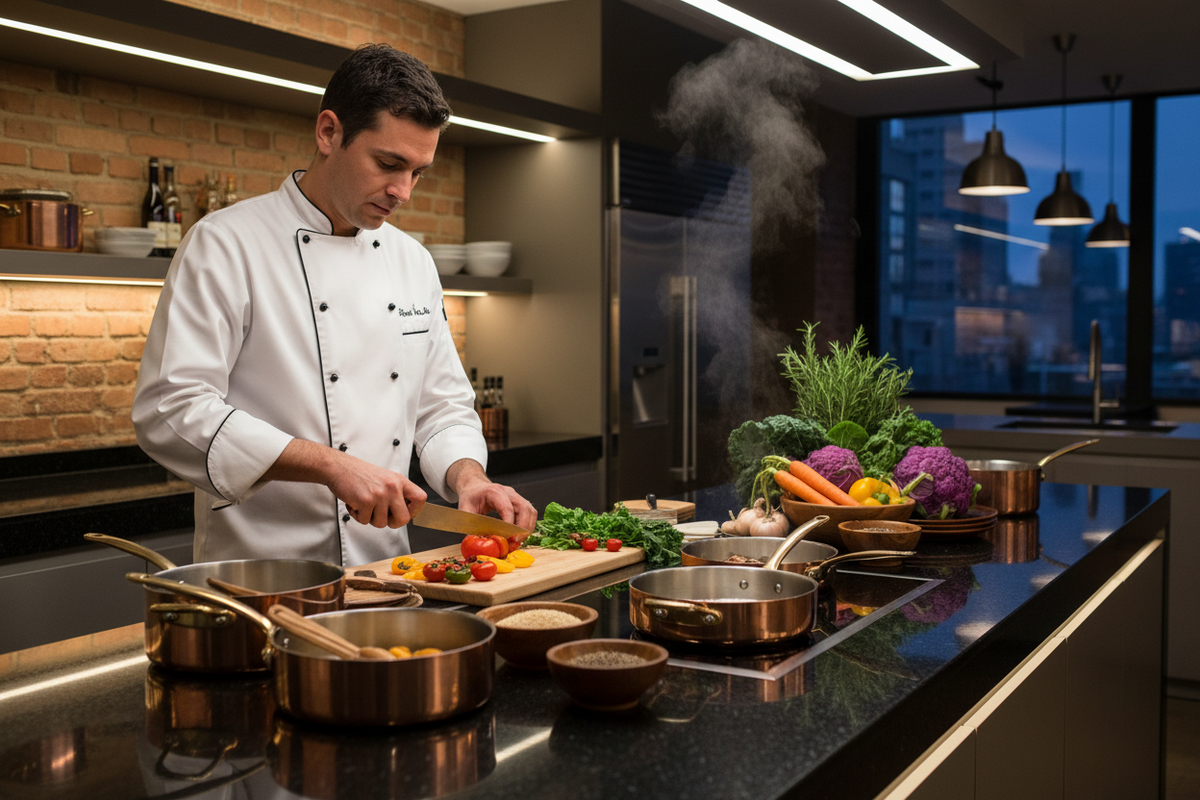
Chef's Feet: How to Survive a Kitchen Shift
Introduction
A professional kitchen is one of the most physically demanding workplaces on earth. Chefs stand on hard tile floors for 10-12 hours at a stretch, in intense heat, often in non-slip clogs or safety shoes that trap moisture and heat far more than any athletic shoe. The feet suffer enormously — and most chefs simply accept this as part of the job. It does not have to be.
What Kitchens Do to Feet
Hard, non-yielding floors transmit every impact directly to the feet, ankles and lower back. Heat from ovens, hobs and fryers keeps ambient temperature 10-15 degrees above a normal working environment. Non-slip safety clogs, while essential, are poor at ventilation and create a hot, moist internal environment that is ideal for bacterial growth and fungal infections.
The Fungal Risk in Commercial Kitchens
Kitchen floors are frequently wet — from spills, cleaning and general kitchen activity. Wet floors combined with shoes that do not breathe well create a persistent moisture environment around the foot. This is one of the most common causes of athlete's foot and nail fungal infections among kitchen professionals. An antibacterial sock provides a meaningful layer of protection against this chronic occupational hazard.
What the Right Sock Does for a Chef
A quality antibacterial sock acts as a moisture management system, drawing sweat away from the skin before it can saturate the inside of the shoe. Silver fibres inhibit the bacterial and fungal growth that leads to infections and odour. A non-bunching, seamless construction prevents the friction that causes blisters during long shifts on hard floors.
Compression for the End-of-Shift
Many chefs experience significant ankle and calf swelling by the end of a long service. Light compression in the sock — around the ankle and lower calf — supports venous return and reduces this swelling. It is not a cure for the systemic fatigue of a 12-hour shift, but it takes the edge off and makes the walk home significantly more comfortable.
Hygiene in a Food Environment
Kitchen hygiene extends to what you wear. Antibacterial socks contribute to the overall hygiene of the food professional — not because socks touch food, but because bacterial health on the skin reduces the risk of secondary contamination and cross-contamination through indirect contact. Some professional kitchen environments now include antibacterial workwear as a standard.
Conclusion
Chefs give their full commitment to their craft. Their equipment deserves the same commitment — and that includes what goes on their feet each shift.

Door Rudiger Mees


Laat een reactie achter
Deze site wordt beschermd door hCaptcha en het privacybeleid en de servicevoorwaarden van hCaptcha zijn van toepassing.