
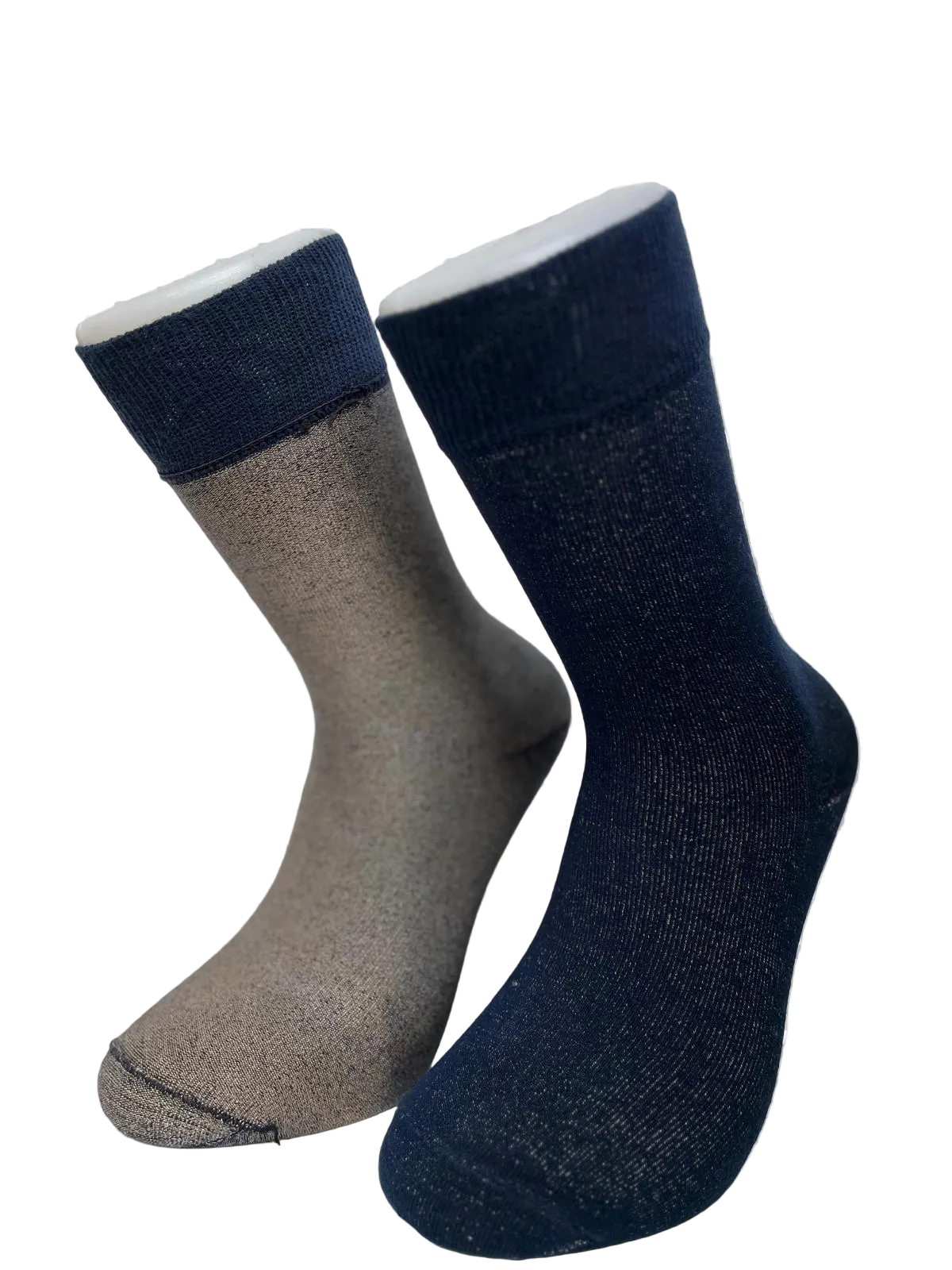
Antibacterial Socks: Myth or Reality?
Introduction
The term 'antibacterial' appears everywhere: shampoo, cutting boards, soap. But does it actually work in socks? Or is it just a marketing trick that costs you extra money?
What Does Antibacterial Mean in a Textile Context?
An antibacterial textile contains substances that inhibit the growth or spread of bacteria on the fabric itself. This can be via silver, copper, bamboo charcoal or synthetic treatments. Not all methods are equal in effectiveness and durability.
Silver vs. Other Antibacterial Treatments
Synthetic treatments such as triclosan are controversial and restricted or banned in many countries due to potential health and environmental risks. Silver is a natural element that has been used for its antimicrobial properties for centuries. It is safer, more durable and better scientifically supported than synthetic alternatives.
What Does Scientific Research Say?
Studies published in medical journals confirm that silver ions are effective against a broad spectrum of bacteria and fungi. In the medical world, silver-based dressings have been used for decades in wound care, burn treatment and protection of implants. This is not a novelty, but established science.
What Antibacterial Socks Do NOT Do
Antibacterial socks are not a substitute for good foot hygiene. They significantly reduce bacterial growth, but daily washing of the feet remains necessary. They also do not protect against viruses or large open wounds. They are a supplement to, not a replacement for, a good daily routine.
Conclusion
The antibacterial action of silver is not a myth. It is proven technology that has been used in the medical world for decades — now available in a comfortable everyday sock.

Written by Rudiger Mees



Leave a comment
This site is protected by hCaptcha and the hCaptcha Privacy Policy and Terms of Service apply.